
Garage door opener surge protection deserves attention before the next thunderstorm, not after a motor suddenly stops responding. Modern openers may contain logic boards, Wi-Fi radios, cameras, battery-management circuits, wall controls, and safety sensors. A sudden electrical disturbance can affect one component or several. Yet a garage that loses power does not automatically have a surge problem, and a failed opener does not prove lightning was responsible.
The practical goal in 2026 is to build sensible protection around your specific opener without compromising its grounding, battery backup, or required entrapment safeguards. This guide explains what surge devices can and cannot do, which symptoms deserve investigation, and when an electrician or trained door technician should take over. It also separates documented manufacturer advice from common online assumptions.
Why Garage Door Openers Are Vulnerable to Electrical Disturbances
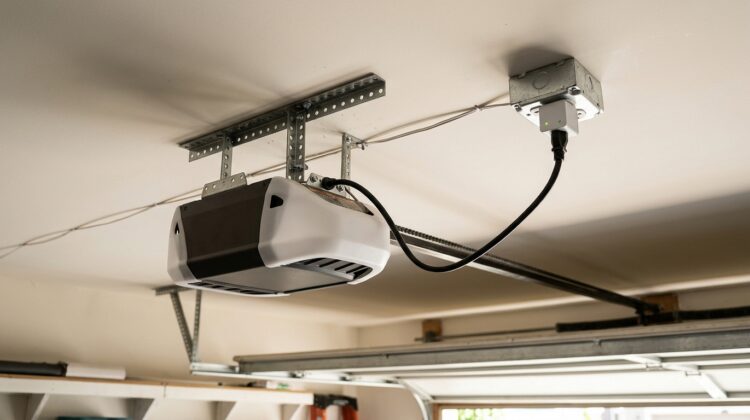
A garage door opener is an electrical appliance connected to an unusually demanding mechanical system. The ceiling outlet supplies the motor and control electronics. Low-voltage wiring may connect a wall station and photoelectric sensors. Some models also communicate over Wi-Fi or manage an internal backup battery. A voltage spike traveling through a connected path can create trouble even when the door panels and tracks look perfectly normal.
The Chamberlain Group support guidance specifically describes additional surge protection for compatible openers and notes that its accessory protects more than the AC connection. That distinction matters: a generic plug-in device may not address every possible entry path. No consumer surge product can promise protection against every direct lightning event or electrical fault.
How Power Spikes Reach the Opener
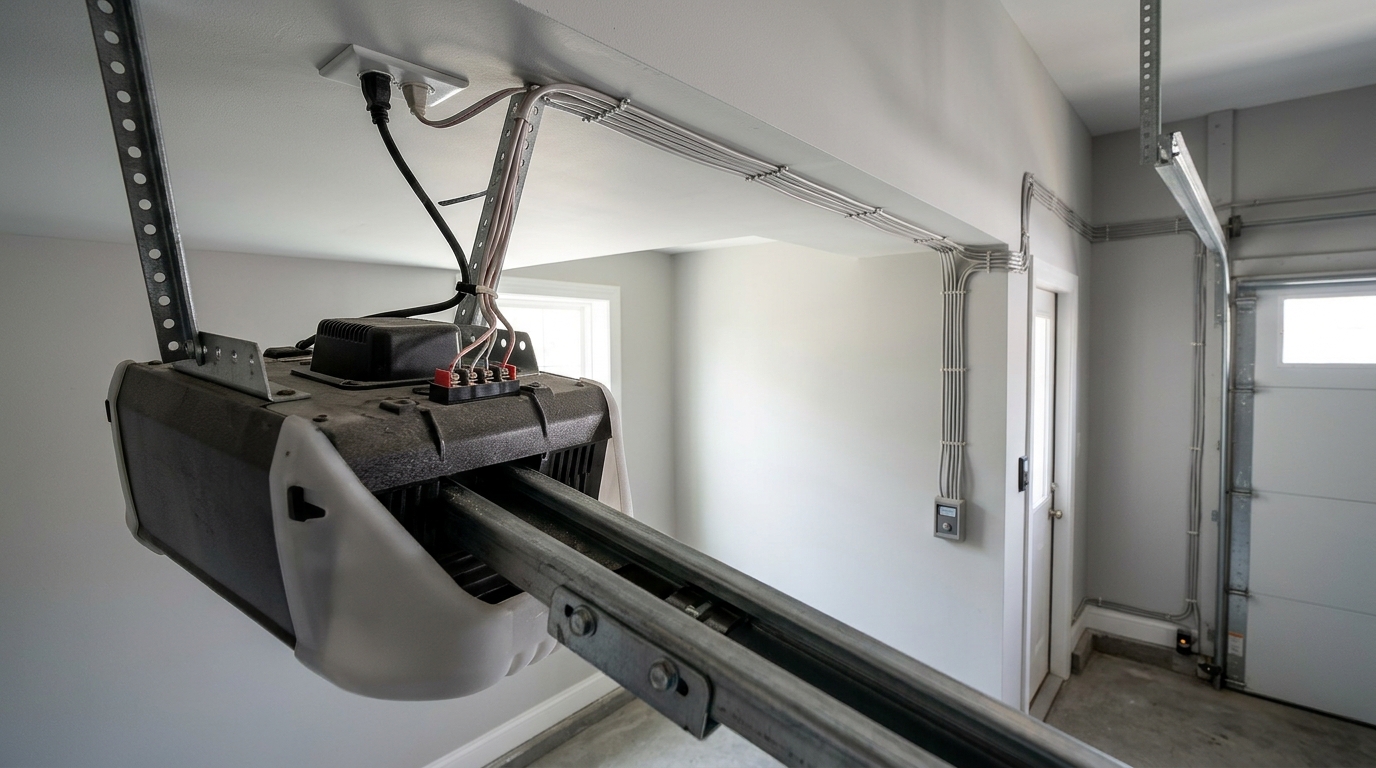
Lightning nearby, utility switching, faults in building wiring, and certain large electrical loads can produce transient voltage events. Their causes and severity differ. In a garage, the ceiling receptacle is an obvious route, but control wiring and connected electronics also deserve consideration. A smart app going offline during a storm could be caused by the router losing power, not necessarily an opener failure.
The Difference Between a Surge and a Blackout
A blackout means usable power disappears; a surge is a brief abnormal rise in voltage. Some events involve both, but the appropriate remedy is different. Battery backup may operate a compatible door during an outage, whereas a surge protective device is intended to limit specified transient electrical energy. Neither substitutes for the other. Read our battery backup and manual release guide for a broader emergency-planning discussion, and check your manufacturer’s manual for what your model actually supports.
Do not repeatedly press the remote when power returns if the opener smells hot, clicks abnormally, or starts and stops. Shut down use, keep the opening secure through a safe alternative, and arrange an inspection. A door that will not move may also have a broken spring or jammed track. Electrical assumptions should never distract from those mechanical hazards.
AC Protection Versus Wall Control and Sensor Circuits
Garage door electronics form a system, not just one motor. A specialist accessory may be designed to protect the opener, wall control, and safety-sensor circuits together. Other products primarily protect the outlet connection. Compare product diagrams and approved model lists rather than assuming a familiar brand name provides universal coverage.
The Genie surge protector description explains that an indicator light can show normal protective operation and that protection may stop after the device absorbs a severe event. Its published specifications apply to that particular device, not every surge protector sold online. If an indicator changes state, follow the product instructions instead of guessing that the opener itself has failed.
What Protection Looks Like in a Real Garage
Start with the electrical service, grounding, and manufacturer’s recommendations. A whole-home surge protective device installed at the electrical panel can be part of a layered approach, while a compatible point-of-use device serves the opener circuit locally. Choosing between them is not simply a comparison of an advertised joule number. Installation location, listing, wiring quality, device condition, and the manufacturer’s instructions all matter.
Battery Backup Is Not a Lightning Shield
A battery-backup opener can still contain components susceptible to transients. Do not assume that because the opener keeps working in a power cut, the battery isolates every circuit from line disturbances. Conversely, unplugging an opener during a storm may not be practical or safe when a door must remain accessible for emergency travel. Plan ahead around the equipment’s approved operating procedures, not improvised wiring changes.
Our existing garage door sensor troubleshooting guide explains why photo eyes must remain functional. If an electrical incident affects a sensor circuit, do not tape, bypass, or disconnect the sensors to make the door close. A professional should restore the safety system before normal operation resumes.
How to Choose, Install, and Maintain Surge Protection Safely
The right decision begins with the model and the installation. Find the opener model number, review its manual, and confirm whether the manufacturer sells an approved surge accessory. Check the type and location of the ceiling receptacle. A device sold as universal may still have installation restrictions. Models with cameras, separate gateways, or unusual wall controls may need additional consideration.
Avoid extension cords, improvised adapters, or a dangling power strip attached to the opener housing. A permanent electrical change belongs with a qualified electrician and must follow applicable electrical codes. A device that requires connections to sensor or control wiring should be installed only by someone competent and authorized to work on that system. Do not open the motor enclosure to search for an electrical shortcut.
A Homeowner’s Inspection and Buying Checklist
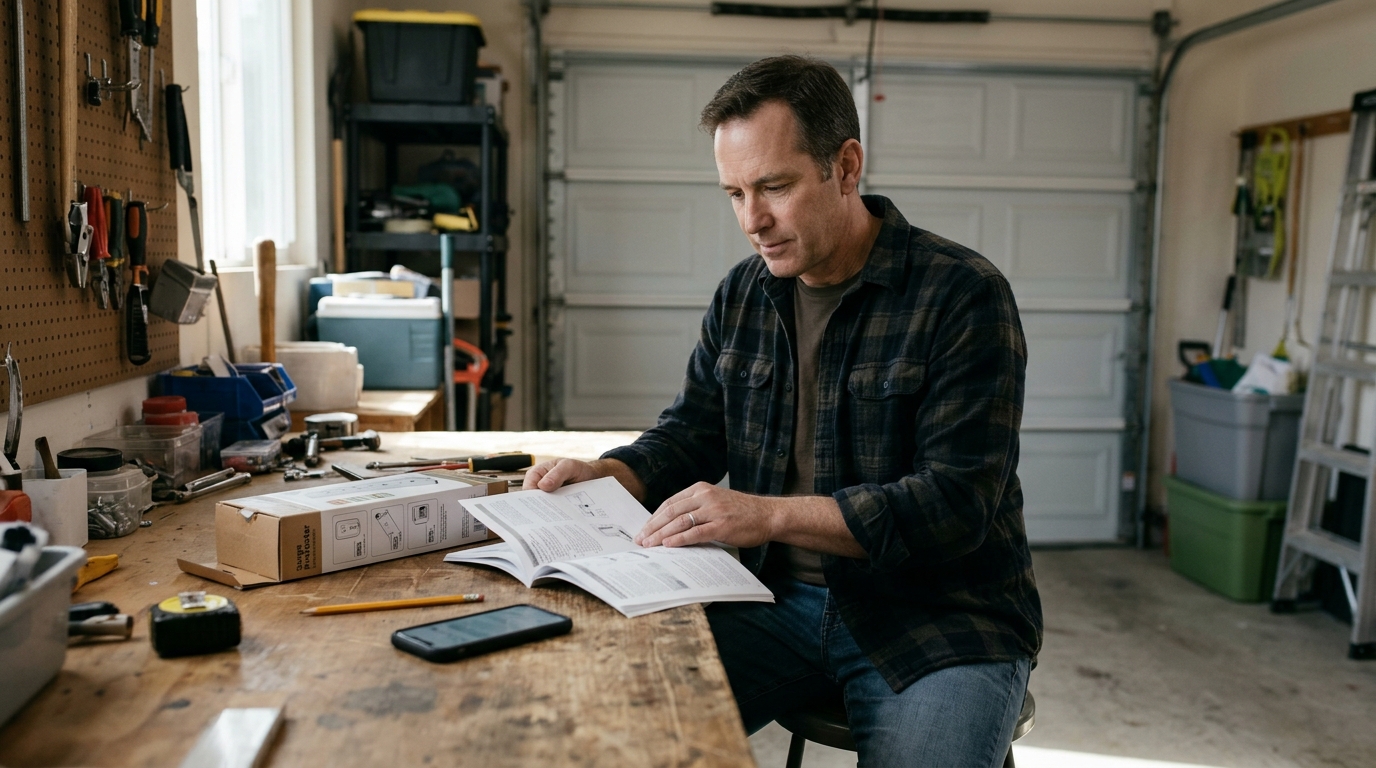
Before purchase, photograph the opener identification label and the existing receptacle from a safe position. Record the date of installation, whether the unit has battery backup, and whether any recent storms preceded faults. Check that the accessory is listed for the intended use, is compatible with the opener, and provides clear instructions and a visible status indication where applicable. Review the warranty for exclusions involving surges, lightning, improper installation, and labor charges.
A properly chosen protective device still requires maintenance. Inspect only the accessible indicator and casing, with the garage door stationary. Replace a protector when its instructions say protection is exhausted. A dead indicator may signify a failed lamp, a disconnected outlet, or exhausted protection depending on the product; the manual resolves that ambiguity. Never test a surge protector by intentionally creating an electrical fault.
When to Call an Electrician or Garage Door Technician
Call a licensed electrician for a loose or ungrounded outlet, tripped breakers that recur, burning odors, visible arcing, panel work, or suspected wiring faults. Call a trained garage door technician when the opener powers up but refuses normal travel, sensors fail their required tests, or the door is crooked, noisy, or difficult to lift. Some cases need both professionals. Describe the timing and symptoms rather than insisting lightning caused the failure.
If the opener stops after a storm, note whether other outlets and the router are working. Check only ordinary, accessible controls identified in the manual. Do not defeat a ground connection, reset a breaker repeatedly, or climb to the opener while the door is moving. For emergency access, use the manufacturer’s instructions, and never release a door that may have broken springs or damaged lifting cables.
Take a short video of safe, stationary symptoms, such as an error indicator, without cycling an obviously faulty mechanism. Keep the original receipt, installation record, protector model, and any service report. Our garage door warranty guide explains why surge exclusions and labor conditions matter when you ask about a replacement logic board or opener.
Think through what you would actually do if the opener became unusable for several days. Is there another safe entrance into the garage? Do family members know where the manual-release instructions are kept, and who should be contacted if the door is stuck? A surge device is only one part of resilience. Clearly label the correct breaker, keep a trusted installer’s details with the manual, and check whether your household needs a backup route for vehicles or mobility equipment. Do not store emergency supplies behind a door that may be inaccessible during an outage.
For 2026 planning, treat garage door opener surge protection as risk reduction, not a guarantee. Verify grounding, select compatible listed equipment, maintain a working reversal system, and keep emergency access instructions handy. Good preparation is usually more valuable than buying a feature-heavy accessory without understanding the rest of the garage door system.