
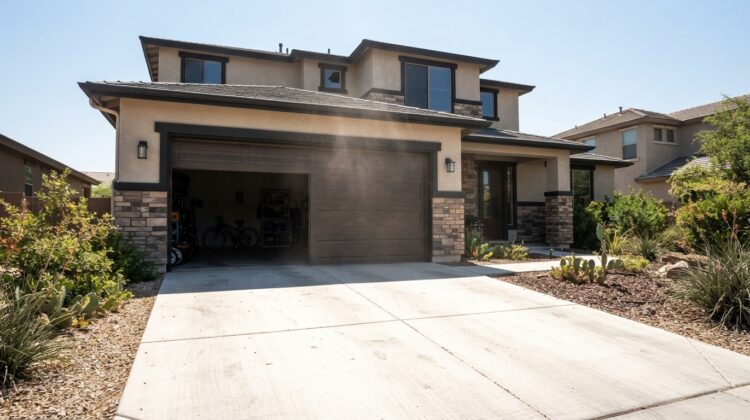
Garage door problems in summer heat can appear suddenly. A door that worked normally in the morning may move slowly, reverse unexpectedly, make new noises, or refuse to respond later in the afternoon. In many cases, high garage temperatures expose existing wear or make electrical and mechanical components work under more difficult conditions.
Direct sunlight can also heat the garage door surface for hours. Meanwhile, a closed and poorly ventilated garage may hold even more heat. The opener, weather seals, electronics, rollers, hinges, stored equipment, and other components all share that environment.
However, heat should not become an excuse to ignore a real mechanical problem. A weak spring, worn roller, damaged track, failing opener, dirty safety sensor, or poorly balanced door may become more noticeable on hot days.
This 2026 guide explains common heat-related symptoms, which parts deserve attention, and how homeowners can protect a garage door during extreme summer weather without attempting unsafe repairs.
Why Extreme Summer Heat Can Affect a Garage Door
A garage door is exposed to outdoor temperatures, sunlight, humidity, dust, and repeated movement. During summer, these conditions can become more demanding. Dark-colored doors and doors that receive strong afternoon sun can become especially warm.
The garage itself may also trap heat. If the space has little insulation or ventilation, temperatures can remain uncomfortable even after outdoor conditions begin to cool.
That matters because the garage door system contains more than large steel panels. It also includes an electric opener, circuit boards, sensors, batteries, plastic components, rubber seals, lubricated bearings, rollers, hinges, cables, and springs.
Your door does not automatically need repair just because the day is hot. Instead, watch for changes in how the system behaves compared with its normal operation.
Which Garage Door Parts Can Show Heat-Related Symptoms?
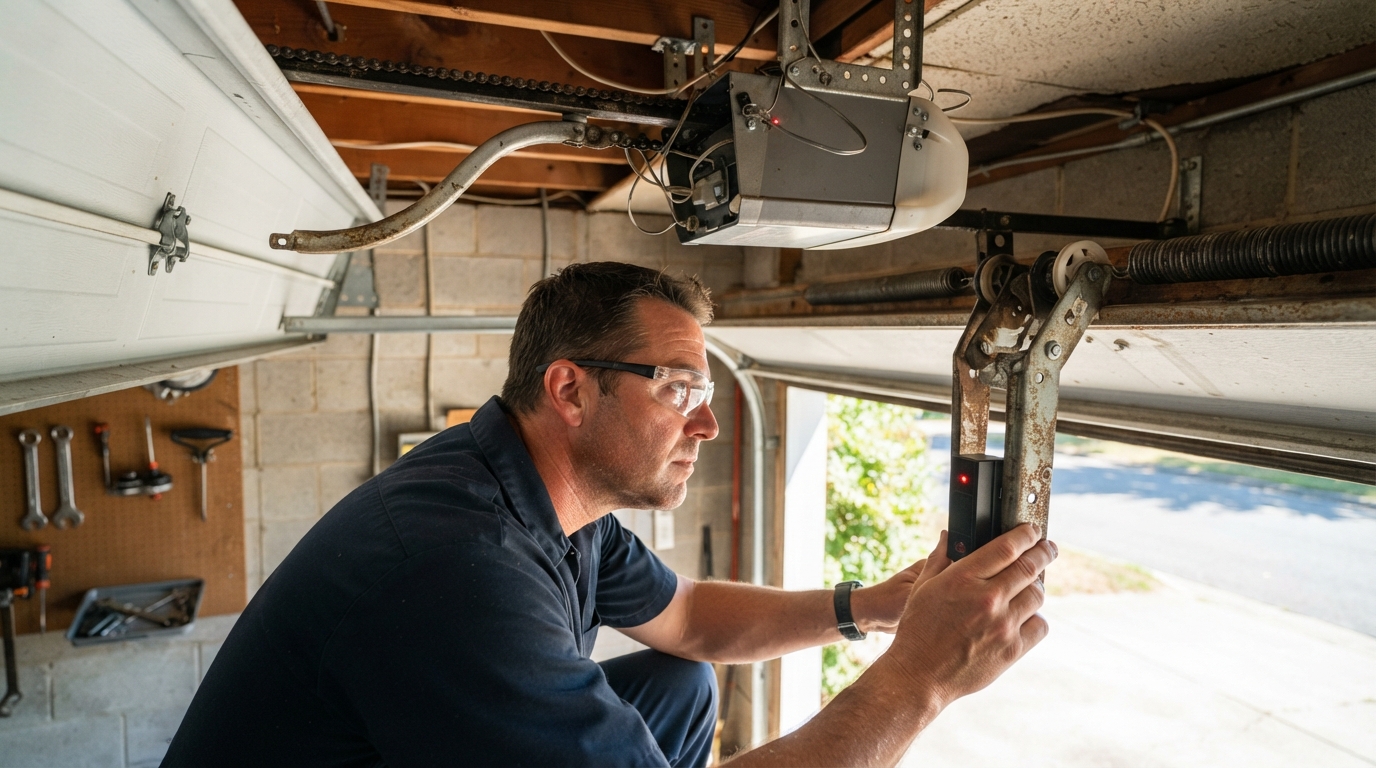
The opener is one of the first places homeowners may notice trouble. Garage door openers use electric motors and electronic controls. Repeated cycles combined with a very hot garage can place additional stress on these components.
If the opener stops responding after several cycles, do not keep pressing the remote repeatedly. Give the system a chance to cool and inspect the door for obvious obstructions. If the problem keeps returning, arrange a professional inspection rather than assuming overheating is the only cause.
Our garage door opener maintenance guide explains how routine inspections can help identify worn hardware, sensor problems, unusual noise, and other issues before they become larger repairs.
Openers, Sensors, Remotes, and Electronics Need Attention
Electronic components can behave differently when they become very hot. An opener mounted near the ceiling is also positioned where warm air often collects. Therefore, an already aging opener may show problems more often during periods of extreme heat.
Photo-eye sensors deserve attention too. If the door begins closing and immediately reverses, check the sensor area first. Remove dirt, dust, spider webs, leaves, or objects that may block the beam. Confirm that both sensors remain securely mounted and aimed according to the opener manufacturer’s instructions.
Do not bypass the photo-eye system to make the door close. These sensors are an important safety feature.
Outdoor keypads and remotes can also face direct sun and high temperatures. If a keypad works intermittently, inspect its batteries and housing. Follow the manufacturer’s instructions before replacing or relocating any component.
Weather Seals, Door Surfaces, and Finishes Can Age Faster
The bottom seal and perimeter weatherstripping spend years exposed to temperature changes. Older rubber or vinyl can eventually become hard, brittle, cracked, flattened, or loose. Once that happens, hot outdoor air, dust, pests, and wind-driven debris can enter more easily.
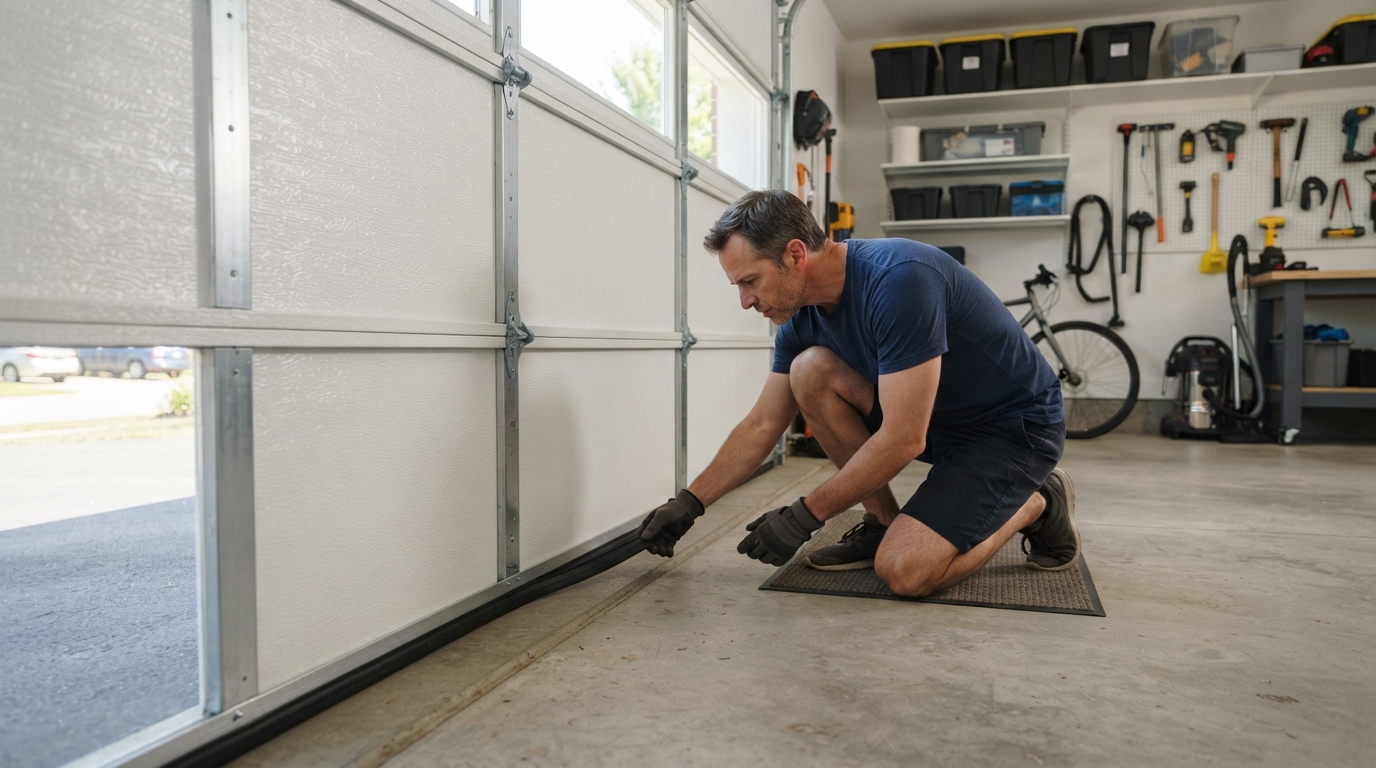
Inspect the bottom seal along the entire width of the door. Then check both sides and the top weatherstripping. Look for visible daylight while the door is closed.
The door surface deserves attention as well. Painted steel, aluminum, wood, composite materials, and decorative finishes all have different maintenance requirements. Strong sunlight can fade some finishes, while neglected wood may crack or change shape as environmental conditions fluctuate.
Follow the door manufacturer’s cleaning and refinishing recommendations. Avoid aggressive chemicals or abrasive cleaning tools unless they are approved for the material.
If heat inside the garage is a major concern, an insulated garage door may help reduce heat transfer through the door itself. However, insulation works best when the perimeter seals and the rest of the garage are also considered.
Warning Signs That Should Not Be Blamed on the Weather
Summer weather can make a developing problem easier to notice, but some symptoms require more than seasonal maintenance.
A door that suddenly becomes very heavy, hangs unevenly, jerks during travel, slams downward, or cannot stay balanced may have a spring or cable problem. Do not attempt to adjust these components yourself. Garage door springs, cables, drums, and bottom brackets can be under significant tension.
Grinding and scraping noises also deserve attention. They may indicate worn rollers, damaged tracks, loose hardware, or another mechanical problem.
Likewise, repeated opener failure should not automatically be blamed on heat. A poorly balanced door can force the opener to work harder than intended. The opener is designed to move a properly functioning door, not compensate for failing springs or damaged hardware.
Use our garage door maintenance checklist to inspect the system for common warning signs.
How to Protect Your Garage Door During Extreme Summer Heat
Summer preparation does not require complicated repairs. In fact, many useful tasks involve inspection, cleaning, airflow, sealing, and preventive maintenance.
Start by watching the door complete a full opening and closing cycle. Listen for new noises. Look for shaking, hesitation, uneven movement, or rubbing. Check that the tracks appear secure and free from debris.
Next, inspect the weather seals. Replace damaged material with a compatible seal designed for your door. Better sealing can reduce uncontrolled hot-air infiltration when the door is closed.
Then consider the garage environment. If the room becomes extremely hot, insulation and appropriate ventilation may improve comfort. The U.S. Department of Energy explains that insulation reduces heat flow and that air sealing can improve comfort and energy efficiency. Review the U.S. Department of Energy guidance on heat flow and insulation for more information.
However, do not cut vents into a garage door or modify structural door sections without approval from the manufacturer and a qualified professional. Changes can affect strength, balance, weather performance, and safe operation.
A Practical Summer Garage Door Checklist for 2026
Begin each summer with a visual inspection. Look at the panels, seals, hinges, rollers, cables, springs, tracks, and opener. You are looking for changes such as rust, fraying, cracks, loose parts, or unusual wear.
Clean dirt and debris from around the door and photo-eye sensors. Keep stored items away from tracks and the door’s travel path.
Lubricate approved moving components according to the manufacturer or installer’s instructions. Use a garage-door-compatible lubricant where recommended. More lubricant is not necessarily better. Excess product can attract dirt and create additional mess.
Check the door at different times of day if the problem seems temperature-related. For example, note whether the system operates normally early in the morning but struggles only after several hours of direct afternoon sun. That information can help a technician diagnose the problem.
Also inspect the garage for trapped heat. If the garage doubles as a gym, workshop, or hobby space, our garage ventilation guide explains how airflow, source control, moisture management, and safe garage door operation fit together.
Insulation and Sealing Can Improve Summer Comfort
Insulation cannot turn an unconditioned garage into an air-conditioned room. Still, it can slow heat transfer through the door and help reduce temperature swings.
This can matter more when the garage is attached to the house, located below a bedroom, used as a workshop, or used for exercise. A thin single-layer door that receives direct afternoon sun may transfer more heat into the garage than a well-insulated alternative.
Weatherstripping matters too. Gaps around the bottom, sides, and top allow outdoor air to move through the opening. Therefore, high insulation values should not be considered separately from the quality of the seals.
For a deeper comparison, see our guide to energy-efficient garage doors in 2026. It covers insulation, seals, comfort, and other factors that affect the performance of the complete door system.
Shade may also reduce direct solar exposure in some garage designs. However, never install an awning, shade structure, storage item, or other object where it can interfere with tracks, springs, the opener, or door travel.
Know When a Summer Problem Needs Professional Service
Arrange professional service when the door becomes unusually heavy, moves unevenly, repeatedly reverses without an obvious sensor obstruction, produces grinding sounds, has frayed cables, or shows a broken spring.
You should also call for service when an opener repeatedly stops working during hot weather. A technician can determine whether heat is contributing to the problem or whether the opener, door balance, rollers, springs, or electrical system needs attention.
Do not loosen springs, cables, drums, bottom brackets, or high-tension hardware. Do not force a stuck door with the opener. If the door appears mechanically damaged, stop operating it until it can be inspected.
Extreme heat does not automatically mean your garage door will fail. However, summer can expose weak components and make an already hot garage less comfortable.
The best strategy is preventive care. Keep the system clean, inspect seals, watch the opener, listen for changes, maintain appropriate lubrication, and address unusual behavior early. Insulation and planned ventilation can also help when heat inside the garage is an ongoing problem.
Most importantly, separate normal seasonal maintenance from repairs that involve tension or major mechanical components. A few simple summer checks can help your garage door stay reliable through the hottest months of 2026 and beyond.